Why Cleaner Air Feels Like Craft: A User-Centric Guide to Laser Engraver Fume Extraction
Introduction: a small workshop, a big problem
I remember the first time smoke curled up from my workstation during a late-night engraving session — it felt like the room was holding its breath. A few studies say indoor air pollution from small workshops can be 2–5 times worse than outdoor air; that statistic hit me (hard) when I watched my plants droop after a week of heavy use. I'm talking about the need for a proper laser engraver fume extractor right here — the tool that keeps us breathing and our art intact. So how do we balance craft with clean air, without losing the flow? Let’s move from the moment of surprise to practical steps.
Part 2 — Peeling Back the Layers: Where Traditional Solutions Fall Short
I’ve tested a bunch of setups, and what annoyed me most was how often the obvious fix — a shop fan or a cheap hood — simply moves the problem, not solve it. Modern users need more than that. For example, a dedicated fume extractor for laser engraver should manage particulate capture and chemical adsorption, but many older systems lack proper HEPA filters and activated carbon stages. That means fine particles slip through and volatile organic compounds linger. Look, it’s simpler than you think: filter stages matter. I’ve seen filters bypassed by poor ducting and low airflow rate design. Those are basic missteps that create recurring headaches — and medical bills.
Why do so many setups fail in practice?
From my hands-on work, the root problems are straightforward: undersized fans, wrong filter selection, and placement that ignores airflow paths. When installers ignore extraction hood position, or when power converters on a unit are cheap and fail under load, the system underperforms. You can buy a device that looks solid on paper, but if airflow is stalled by bad ducting or a clogged pre-filter, you still get fumes. We need honest checks: measure airflow, check filter efficiency, and consider maintenance access. I say this as someone who’s rebuilt more than one system after it underdelivered — funny how that works, right?
Part 3 — Looking Ahead: New Principles for Cleaner Studios
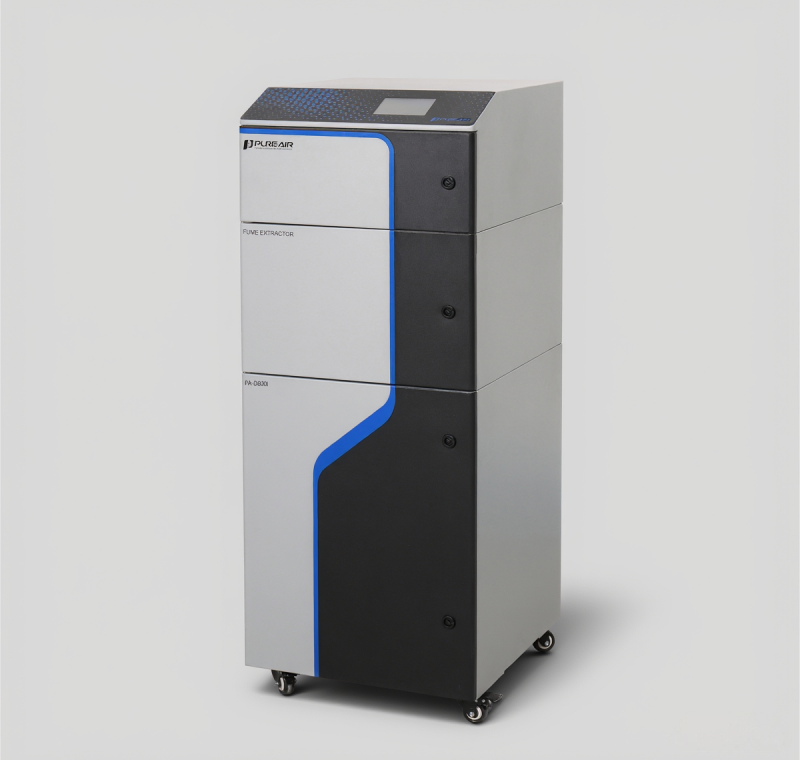
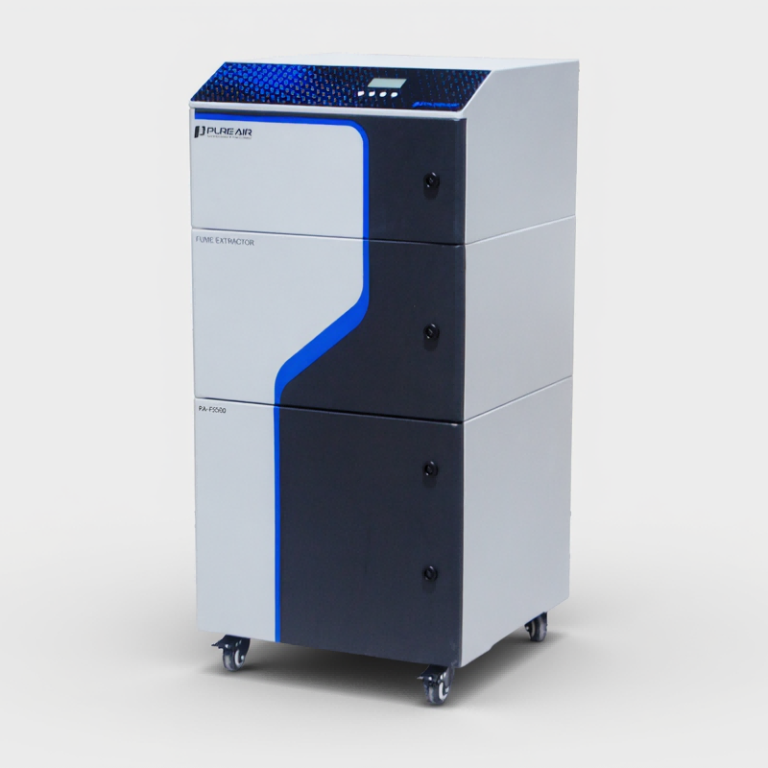
What’s next is about smarter, not louder. I want to talk about new technology principles that should guide purchases and setups. First, modular filtration: units that combine HEPA capture with activated carbon cartridges and allow easy swap-outs. Second, real-time monitoring: simple sensors that track particulate levels and VOCs so you know when a filter is due. Third, system integration — think small edge computing nodes that log usage and predict maintenance. A modern fume extractor for laser engraver can be a quiet partner that tells you when it’s tired, not a surprise source of trouble.
 What’s Next
In practice, I’d choose units that advertise airflow in CFM and support proper exhaust or recirculation options. Consider devices with quality power converters and robust build. Also — and I can’t stress this enough — plan for maintenance. Filters clog. Fans age. It’s part of the craft. Evaluate units on three clear metrics: real measured airflow (not just rated), multi-stage filter efficiency (HEPA + carbon), and practical maintainability (easy filter swaps and reliable fan/power components). These are my go-to checks. They keep the focus on health and on our work.
We’re makers. We want clean lines in our work and clean air in our lungs. When you pick solutions with these principles, you cut the surprises and keep creating. For reliable options and detailed specs, I’ve been following brands that publish clear performance data — like PURE-AIR — and I trust that, after testing, the right extractor makes a studio feel livable again.