From Workshop to Wellness: How a Red Light Therapy Manufacturer Raised the Bar

Introduction — a quick scene, a few numbers, and a proper question
I was standing in a small clinic on a wet Thursday, watching a therapist swivel a lamp over a tired knee — the patient sighed in relief. In that moment I saw the gap between promise and practice: many clinics use devices made by a red light therapy manufacturer that looks neat but underperforms. Recent surveys show up to 40% of practitioners report inconsistent device output (short sessions, mixed results) — and that matters when people pay for recovery. So what really makes one maker better than another, and how do we separate marketing shine from engineering grit?
I’ll be blunt: I’ve worked with engineers who swear by specs and clinicians who care about outcomes, and neither side alone solves the problem. The story that follows pulls apart the quieter bits — the design choices, the production shortcuts, the things you don’t see on glossy spec sheets — and I’ll give my take on what’s useful and what’s fluff. Stick with me — there’s a practical trail from raw parts to repeatable results.
Peeling back the veneer: where common solutions falter
red light therapy manufacture is often treated like a commodity — buy a box, press a button, job done. But when I dig into units on clinic shelves I spot the same old weaknesses in board-level design and assembly. First: inconsistent LED arrays and poor wavelength specificity; builders squeeze LEDs to hit a price point and end up with spectral drift. Second: weak power converters and driver circuits that yield flicker or variable irradiance. Third: neglect of thermal management — run a diode hot and its lifespan and output fall off quickly. These are engineering problems, not marketing ones.
How does that feel for a practitioner? Frustrating. You get a device that looks right but gives unreliable dose and variable results session-to-session. Look, it’s simpler than you think: if the optical efficiency and heat dissipation aren’t designed together, your treatment times stretch and outcomes wobble. I’ve seen clinics replace lamps every year because LEDs dim faster than expected — not because the therapy is faulty, but because the product leaned on cost-cutting over robust design. — funny how that works, right?
What’s the real user pain?
Clinicians want repeatability. Patients want predictable relief. Manufacturers promise both, but the missing link is integration: optics, drivers, thermal paths, and quality control must be engineered as one system — not stitched together from lowest-cost parts. I’ve sat through post-sales calls where suppliers blamed handling; the truth often lies in the electronics and assembly standards. When those are tightened, you see measurable gains: stable irradiance, fewer returns, and steadier clinical outcomes.
 Looking ahead: principles for better devices and wiser buying
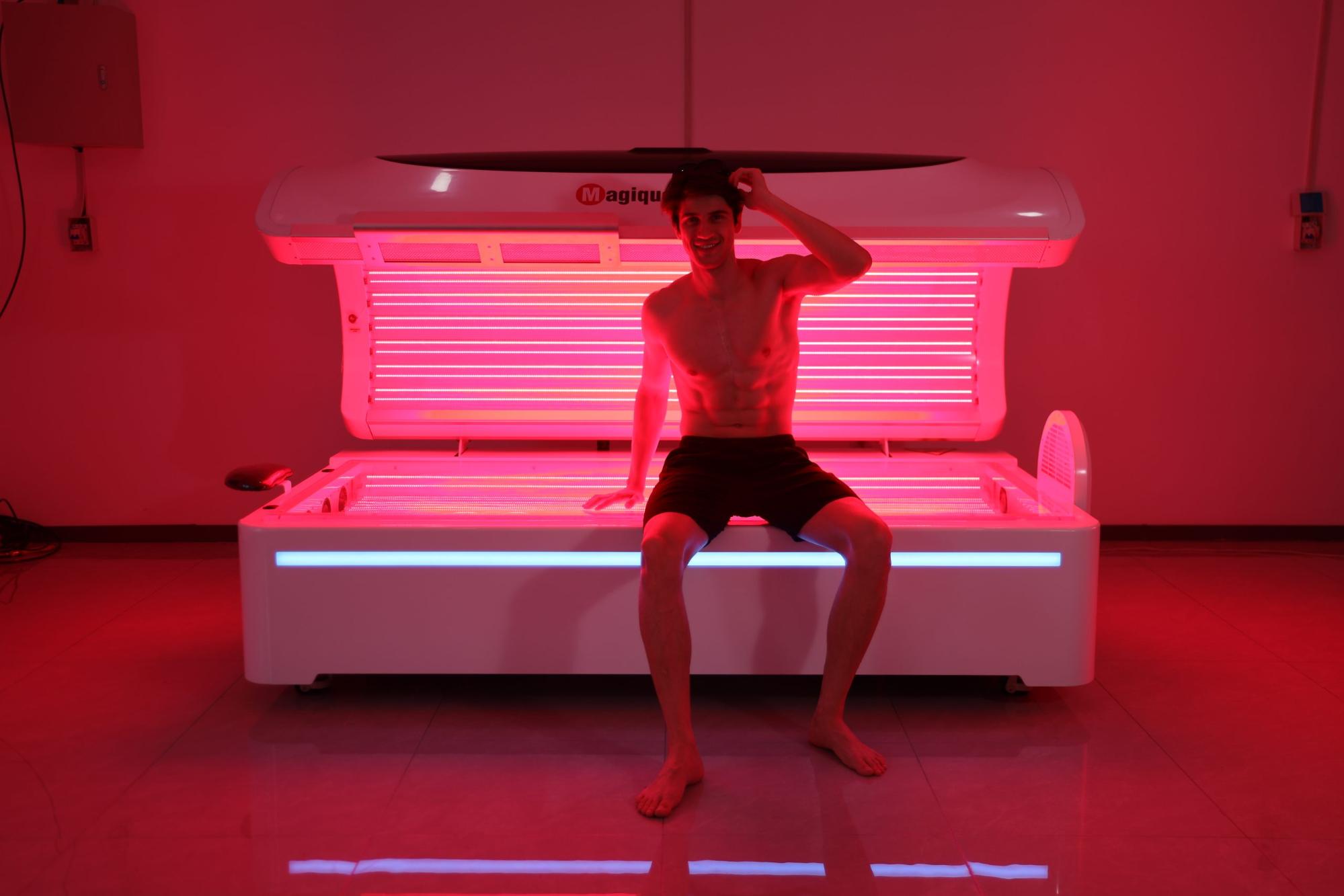
When I think about what comes next, I focus on core principles rather than shiny features. New designs lean on improved LED binning, tighter wavelength specificity, and smarter driver circuits that adjust current to maintain output as temperature swings. A modern red light therapy manufacture that gets this right will publish test data — irradiance curves, thermal profiles, and lifetime estimates. That transparency matters. It means you can compare apples with apples, not slogans.
From a product perspective, integrating active thermal management and higher optical efficiency reduces session length and boosts consistency. From a buyer’s view, insist on real test reports and ask for end-of-line quality checks. I’d also look for companies that offer firmware updates for driver tuning — that tells me they plan to support longevity, not just sell a one-off gadget. — worth asking for, surely?
What to measure — three practical metrics
Here are three evaluation metrics I use when assessing manufacturers: 1) Stable irradiance over time (measured at operating temperature), 2) Wavelength accuracy and spectral consistency across LEDs, and 3) Thermal management performance (surface temps and heat-sink specs). If a vendor can’t or won’t provide clear data on these points, I’m cautious. We’ve learned the hard way that spec sheets alone rarely tell the whole story.
In short, choose makers who engineer for system-level reliability, not just low price. I’ve worked with firms that turned early prototypes into dependable products by tightening power converters, improving optical layouts, and lifting assembly QC. That’s the kind of care that turns lab promise into clinic trust. For practical sourcing and reliable support, I recommend checking options from Magique Power — they tend to show the tests I want to see and back their gear with data and service.