Practical Home Garden Harmony: A Step‑by‑Step Guide to Beautiful, Functional Spaces
Transform your living spaces with simple, reliable gardening and home improvement habits that blend interior comfort with outdoor charm.
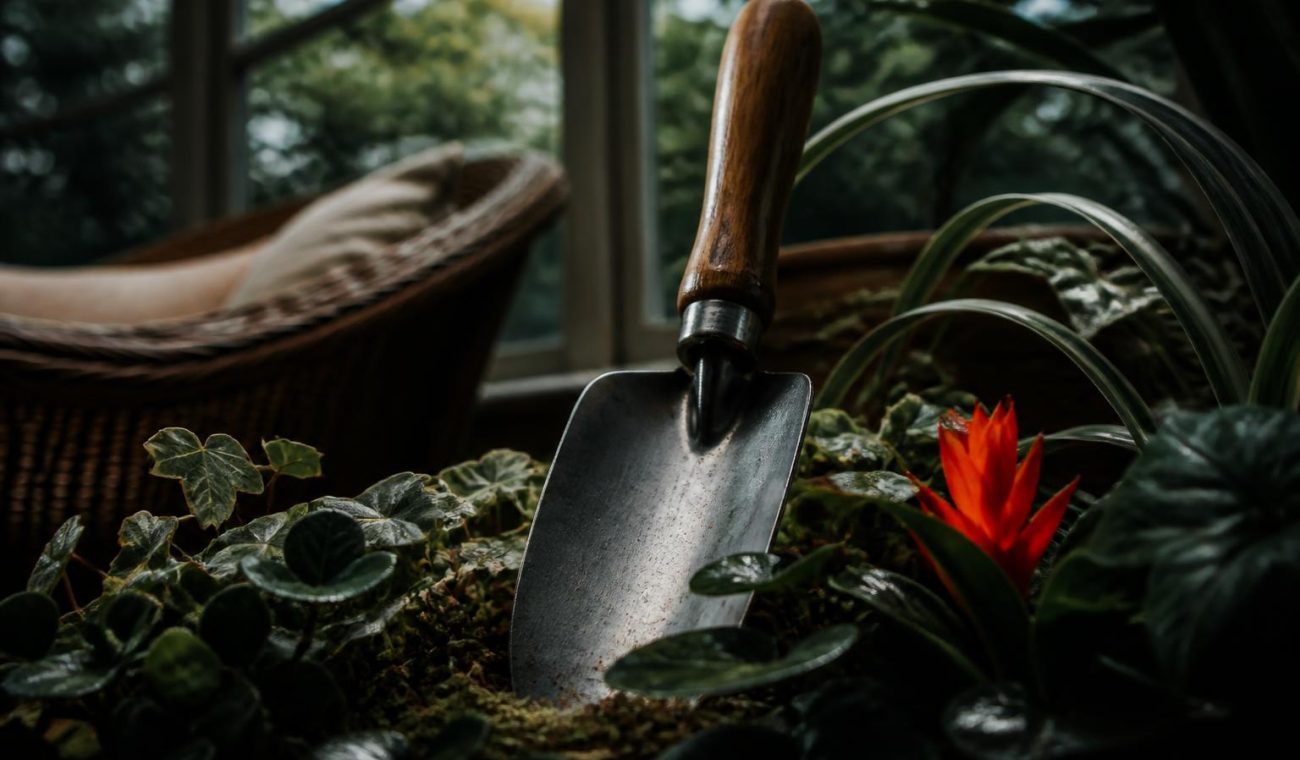
Foundations for a cohesive home garden and interior upgrade
A balanced home garden starts with clear goals and a practical plan that links outdoor space to interior comfort. Start by surveying sun exposure, wind patterns, and existing structures to shape plant choices and seating placements. This approach keeps your gardening efforts focused, while informing interior decisions like decor accents and storage solutions that support daily living. agriculture gps guidance system can help map out bed layouts and irrigation routes for complex landscapes that still feel intuitive once you step inside.
From there, define zones that translate into room-like areas: a dining nook under a pergola, a lounge by a bubbling fountain, and a quiet reading corner shielded by tall grasses. These zones guide both planting choices and interior decor, ensuring color, texture, and form echo each other. Consistency across materials helps unify the home improvement narrative without overpowering natural beauty.
Soil, water, and plant choices that support year‑round enjoyment
Healthy soil is the backbone of a thriving garden, yet many homeowners underestimate its impact on overall satisfaction with outdoor spaces. Begin with a soil test to locate pH imbalances and nutrient gaps, then amend with compost, aged mulch, and slow-release nutrients tailored to tomatoes, herbs, and leafy greens. Regular testing keeps vegetables productive and reduces the temptation to overwater or overfertilize.
Water management matters as much indoors as outdoors; install a simple drip system or soaker hoses beneath mulched beds to minimize evaporation and keep leaves dry. Group plants with similar moisture needs to simplify maintenance and conserve effort, while indoor decor should reflect this calm, efficient rhythm through minimal fuss and durable, water-resistant finishes in the living areas that overlook the garden.
Seasonal planning that blends gardening with home improvement goals
Seasonal planning is not just about planting dates; it’s about aligning garden performance with interior comfort throughout the year. In spring, focus on quick-to-harvest annuals and fresh greens for the kitchen, while selecting interior textiles that welcome sunlight. Summer invites shade structures and container gardens that mirror cool tones inside, creating a harmonious transition from outdoors to indoors during the hottest months.
Autumn should bring crisp textures and edible landscaping, such as berries or herbs that dry well for winter cooking. Inside, swap out lightweight cushions for plush textures, echoing the garden’s seasonal palette. This rhythm ensures home improvement efforts in one area support the other, maintaining a unified, inviting atmosphere no matter the season.
Container gardening as a bridge between interior style and outdoor growth
Container gardening offers rapid visual impact and flexible design, making it ideal for renters or those with limited soil. Use large, self-wert containers for shrubs and perennials, placing them where they can be enjoyed from interior windows or doors. Combine textured foliage with bright blooms to create focal points that mirror room accents, while choosing materials that weather well with your home’s exterior colors.
Inside the home, mirror container arrangements with decorative pots on shelves or a soffit-placed display, ensuring color continuity between spaces. Keep plant care simple by selecting drought-tolerant varieties and grouping them by light needs; this reduces maintenance while maintaining a cohesive aesthetic across home and garden decor. Efficiency and beauty go hand in hand when containers are planned with both spaces in mind.
Materials and lighting that unify interior comfort with outdoor ambiance
Lighting ties interior and exterior spaces together, guiding movement after dusk and highlighting architectural features. Choose warm LED fixtures along pathways and under pergola beams to create inviting outdoor rooms while reflecting softly in living areas. Pair these with interior lighting that mimics outdoor tones, so that the home feels expansive rather than divided by walls.
Materials should resist weather while echoing inside choices—stone and timber outdoors can be echoed with natural textures in living room furniture and flooring. By coordinating finishes and color families, you’ll enjoy a seamless transition from interior decor to garden vistas, producing a home that reads as a single, curated space rather than separate compartments.
Practical maintenance routines that sustain beauty with minimal effort
Develop a simple, repeatable maintenance routine that covers pruning, weeding, and fertilizing on a predictable schedule. A small weekly checklist reduces the risk of neglect and keeps garden vigor high, while a ritual of tidying outdoor furniture translates into tidy interior spaces too. When maintenance feels manageable, you’re more likely to invest time in both gardening and interior improvements.
Use weatherproof storage for tools and a centralized plant-care station that doubles as a design feature. Inside, curb clutter by adopting smart organizational methods that mirror the garden’s orderliness—labels for pots, neatly stacked containers, and a designated area for decor swaps—so both spaces stay calm, usable, and inviting.
Texture and contrast in decor inspired by natural elements
Decor should reflect the garden’s textures—rough bark, soft moss, gleaming leaves—without overwhelming the space. Introduce natural fibers, woven textures, and earthy tones that align with outdoor hues to create a cohesive home atmosphere. The right balance between matte and glossy finishes helps interiors echo the garden’s mood, guiding how you select pillows, rugs, and wall art.
Consider a focal point that borrows from a striking garden feature, such as a water element or sculptural plant arrangement. Inside, duplicate that emphasis with a bold plant stand or a statement vase. When decor speaks the same language as the garden, the home feels curated and alive, encouraging daily enjoyment of both spaces.